

""
No facility listed.
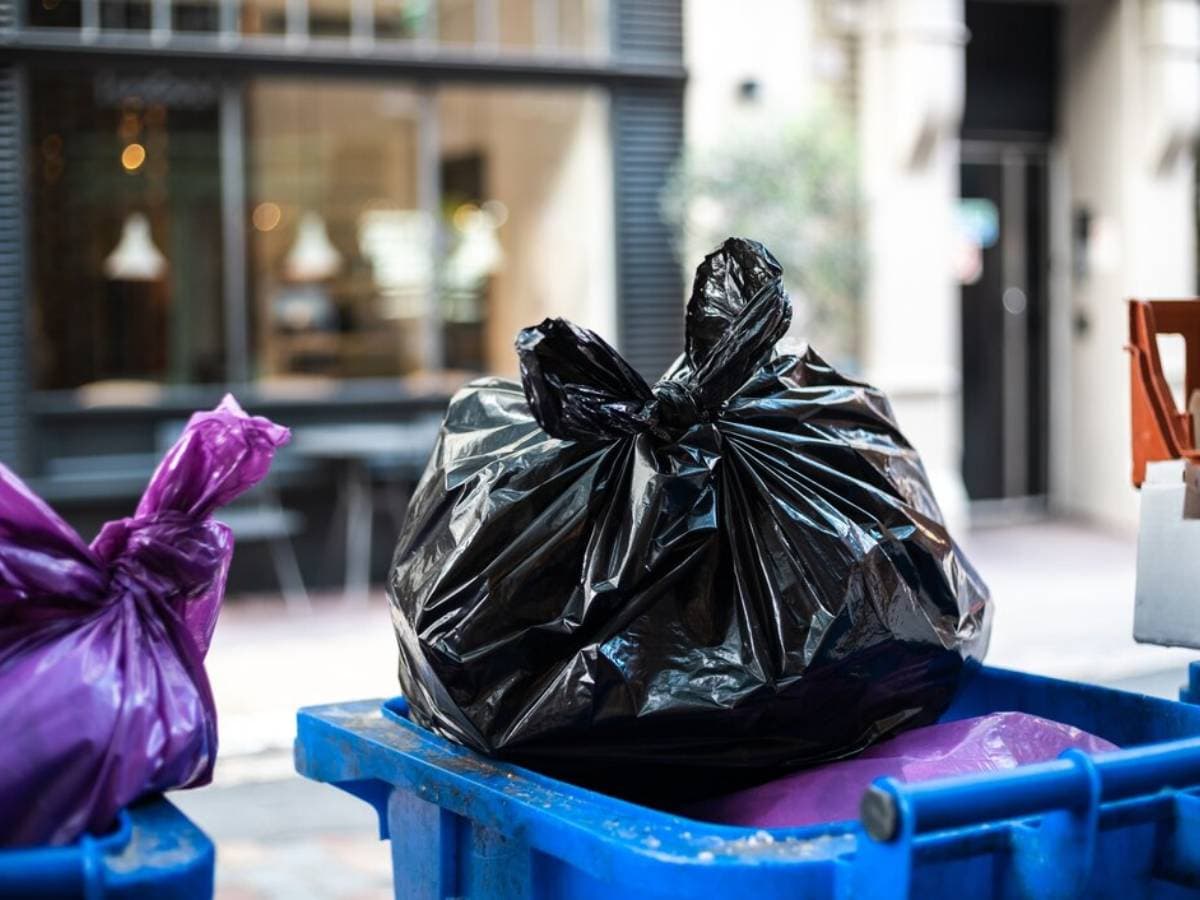
Dakar, one of the densest capitals in West Africa, is seeing its concrete expand at the expense of trees and green spaces. This pressure exacerbates urban heat, degrades air quality, and makes the city vulnerable to climate change. The City of Dakar has committed to a greening initiative, with the development of a greening plan and the goal of significantly increasing urban green spaces by 2030. This mission invites the diaspora to support reforestation and greening campaigns: planting trees adapted to the local climate, maintenance and watering, nurseries, creating gardens and cool islands in neighborhoods, schools, and public spaces, and raising residents' awareness of tree protection.
View details →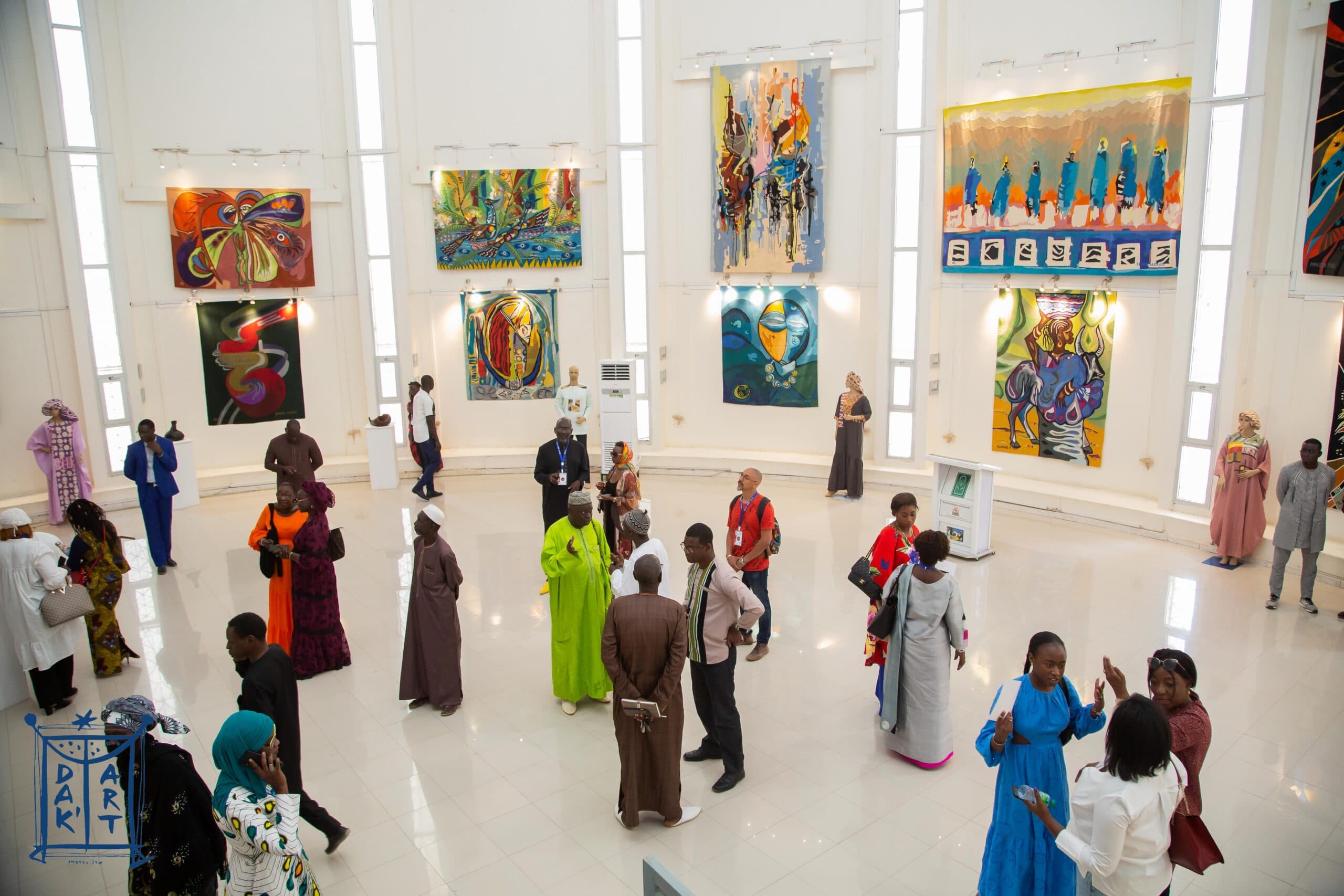
Dakar is asserting itself as an African cultural capital, thanks to the Dak'Art Biennale, the Museum of Black Civilizations, the Grand National Theater, and a very active creative scene (music, fashion, cinema, visual arts). 2026 is a pivotal year: the city will host the Youth Olympic Games (October 31 – November 13), followed by the 16th Dak'Art Biennale (November 19 – December 19). However, many cultural events remain poorly structured, dependent on public funding, and insufficiently connected to international circuits. This mission aims to professionalize and sustain these events so that they leave a lasting legacy after 2026: financial structuring, sponsorship, international promotion, partnerships between festivals and institutions, and digitalization. The Senegalese and African diaspora is invited to mobilize its networks, resources, and expertise.
View details →
Dakar concentrates most of the country's referral hospitals (Fann, Hôpital Général Idrissa Pouye, Hôpital Principal, Dalal Jamm), but these are saturated by the influx of patients from across the metropolitan area. In the suburbs (Pikine, Guédiawaye, Keur Massar, Thiaroye, Rufisque), local health posts and centers lack equipment, qualified staff, and maintenance, which sends too many cases to hospitals. Emergency care, maternal and neonatal health, screening for chronic diseases, and access to essential medicines remain major challenges. This mission aims to mobilize the diaspora to support the city's public health program: equipping and modernizing local facilities, strengthening emergency services and ambulances, biomedical equipment maintenance, maternal and child health, early screening, telemedicine, and training for healthcare personnel.
View details →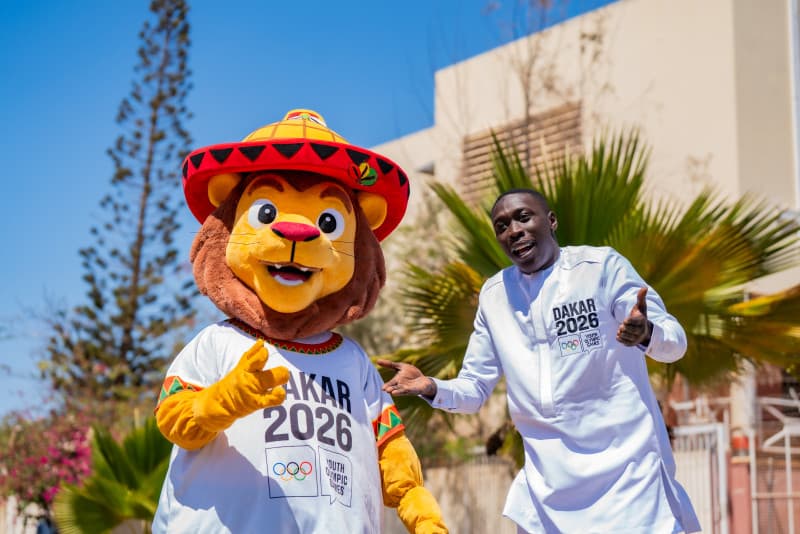
Dakar asserts its ambition to become an international capital, as it hosts the first Youth Olympic Games organized in Africa (October 31 – November 13, 2026). The City already maintains decentralized cooperation, notably with Marseille, twinned since 1968, and with Paris and Seine-Saint-Denis. This mission aims to mobilize the diaspora to transform this visibility into lasting partnerships: identifying new active twin cities, connecting with donors, development agencies, foundations, and investors, promoting the City's urban projects (mobility, cleanliness, health, culture, digital), and providing technical support for their implementation. The objective is to leverage the legacy of the Youth Olympic Games for long-term international cooperation.
View details →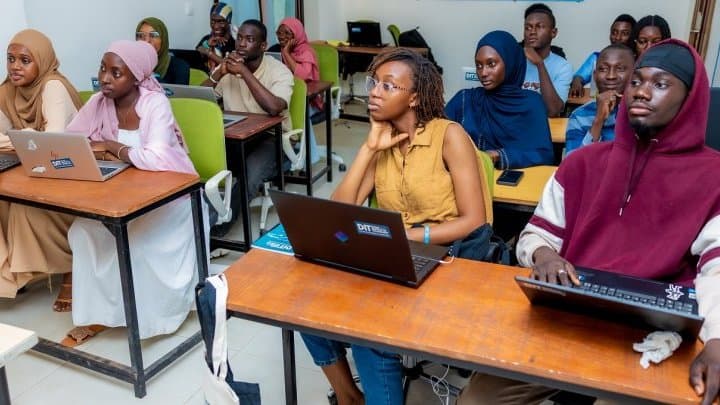
Dakar is Senegal's main economic, administrative, and consumption hub, with a large and entrepreneurial youth population. However, many young project leaders, especially women, struggle to find employment or to finance and structure their activities. The City of Dakar supports entrepreneurship through initiatives such as CEPEM, a business incubator present in all 19 communes, and a local plan for the development of the social and solidarity economy. Promising sectors include digital technology, fintech, commerce, services, logistics, agri-food processing, and the circular economy. This mission invites the diaspora to invest in businesses with strong social impact, share their expertise in management, finance, and digital technology, and open their international business networks to support young Dakarois entrepreneurs.
View details →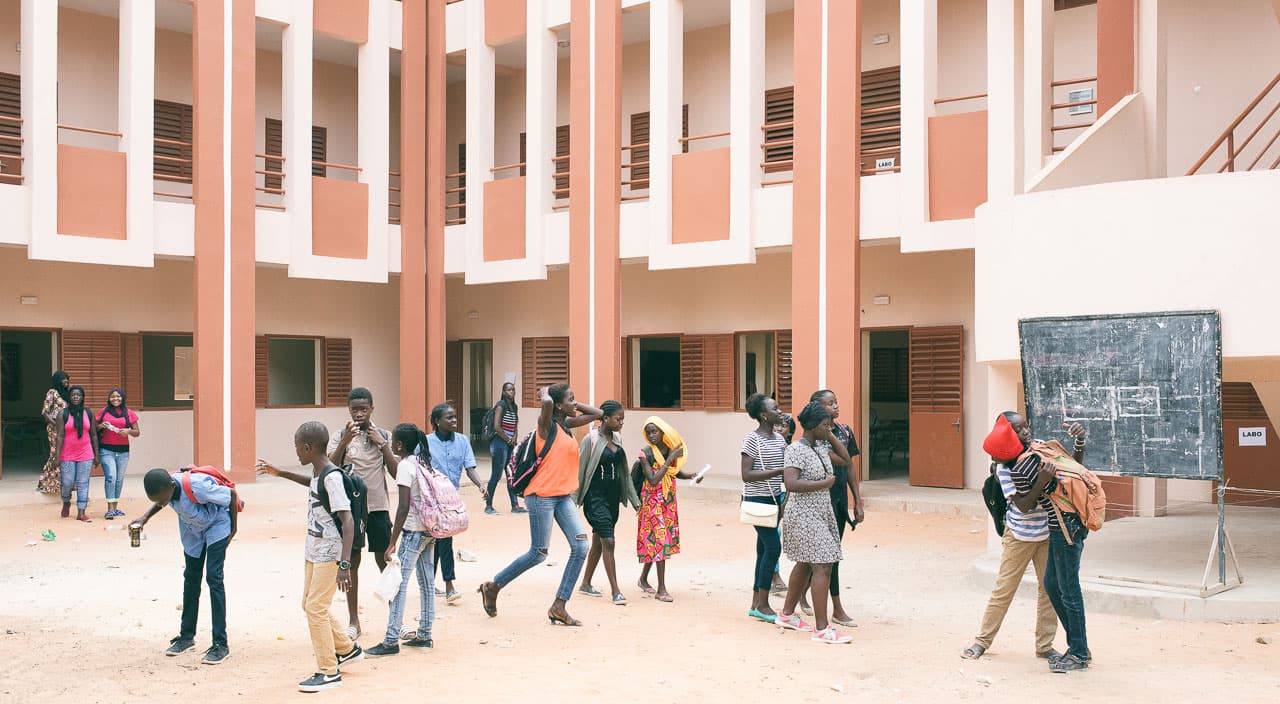
This mission aims to improve learning conditions in public schools in the City of Dakar, in support of its educational program. On the eve of the new school year, the Mayor of Dakar launched a vast program of weeding, decluttering, and cleaning of the capital's schools at the Amath Dansokho high school in Ouakam, led by the City's Directorate of Education and Inclusion, and announced a broader program of school rehabilitation and construction, which this high school is set to benefit from. The needs far exceed municipal resources. At the national level, the Ministry of Education reported for the 2024-2025 school year more than 7,000 temporary shelters, a deficit of nearly 48,700 classrooms, 5,862 unfenced establishments, 2,256 without water points, 7,033 without electricity, and 2,409 without latrines, with particular attention to areas with high demographic pressure like Dakar. In the Dakar suburbs, schools like Fass Paillotte, Médina Fass Mbao, and Sam-Sam 3 operate on a double-shift system due to lack of classrooms, some classes being in a very advanced state of disrepair, and schools themselves pay for their materials and electricity bills. This mission mobilizes the diaspora to complement the efforts of the City and the State: rehabilitation of roofs, walls, and ceilings, replacement of temporary shelters, desks, sanitary facilities, water points, electricity, and fences in priority schools identified with the City of Dakar.
View details →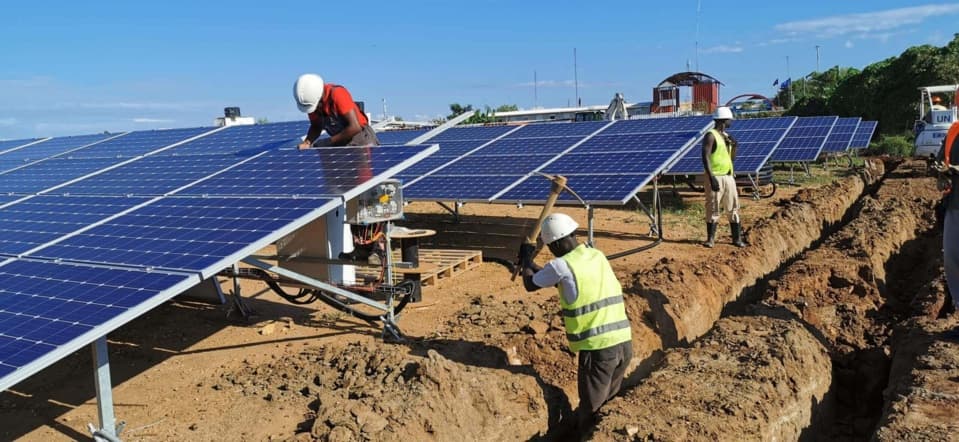
Dakar, the capital of Senegal, has already embarked on its energy transition. The City has inaugurated pilot energy efficiency installations at the Communal Building (solar panels, energy-efficient LED lighting, high-performance air conditioning), as part of the Covenant of Mayors in Sub-Saharan Africa, with the European Union and the Spanish Agency for International Development Cooperation (AECID). This project is part of Dakar's Action Plan for Sustainable Energy Access and Climate Change, featuring a relamping program and solar projects that have already helped decarbonize buildings such as the cathedral and several mosques. On a national scale, Senegal has launched one of the largest solar public lighting programs in the world, with 50,000 streetlights installed, followed by a new contract for 67,000, and a supervision center based in Dakar that centralizes data from connected streetlights. The country also benefits from the Just Energy Transition Partnership (JETP) concluded in 2023 with the European Union, France, Germany, and other partners. The challenge now is to scale up. This mission mobilizes the diaspora to extend these successes to the City's buildings and services: solar power with storage and energy efficiency for schools, health centers, markets, and communal facilities; smart LED and solar public lighting with remote management in neighborhoods; energy performance contracts; maintenance and training of local technicians; and mobilization of climate financing, to reduce the City's energy bill, improve services for residents, and replicate the model.
View details →
In Dakar, civil society is dense and organized: neighborhood committees and councils, youth and women's associations, community health workers like the Badjenou Gokh, and local governance NGOs. Participation mechanisms exist but need to be strengthened. In Yoff, a district municipality of the capital, a commitment to open governance highlighted a lack of ownership of community projects due to insufficient fluid communication between the city hall, neighborhood committees, and citizens. It proposed participatory budgeting, updating the list of associations and their areas of expertise, accountability exercises, and digital tools to broaden participation. The NGO 3D (Democracy, Human Rights, Local Development), based in Dakar, helps citizen groups (women's associations, youth groups, health and education management committees) access public budgets and engage in dialogue with local authorities. At the national level, the National Commission of Civil Society Actors notes a deficit in dialogue, a blockage regarding budgetary information, and the difficulty for Senegalese NGOs to directly obtain funding. The European Union launched calls in 2022 and 2024 to strengthen civil society organizations, particularly those of youth and women. This mission mobilizes the diaspora to reinforce these actors in Dakar: financing neighborhood projects, providing skills (project management, governance, digital, health, education), building bridges with NGOs, universities, and donors, and supporting the professionalization of organizations, in conjunction with the City and its district municipalities.
View details →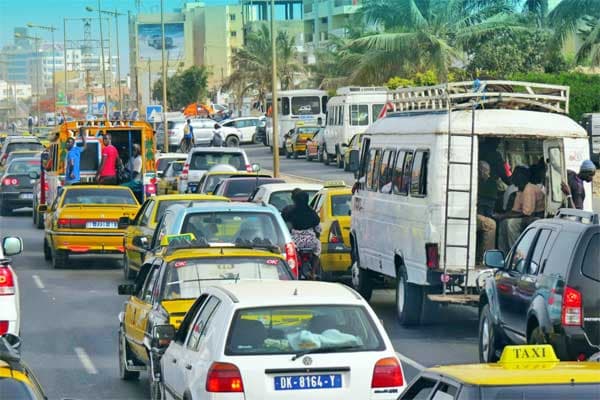
Dakar, the capital of a rapidly growing metropolitan area, faces chronic congestion and public transport long dominated by the informal sector. The city now relies on a Sustainable Urban Mobility Plan structured around the Regional Express Train (TER), the 100% electric Bus Rapid Transit (BRT), and a restructured bus network to feed these two axes. The next steps include restructuring priority bus lines, preparing a second BRT line, digital ticketing, and fare integration between transport modes. This mission invites the diaspora to invest in innovative mobility solutions, provide technical and digital expertise, support the professionalization of operators, and mobilize international funding.
View details →Local authority
No document available
