

""
No facility listed.
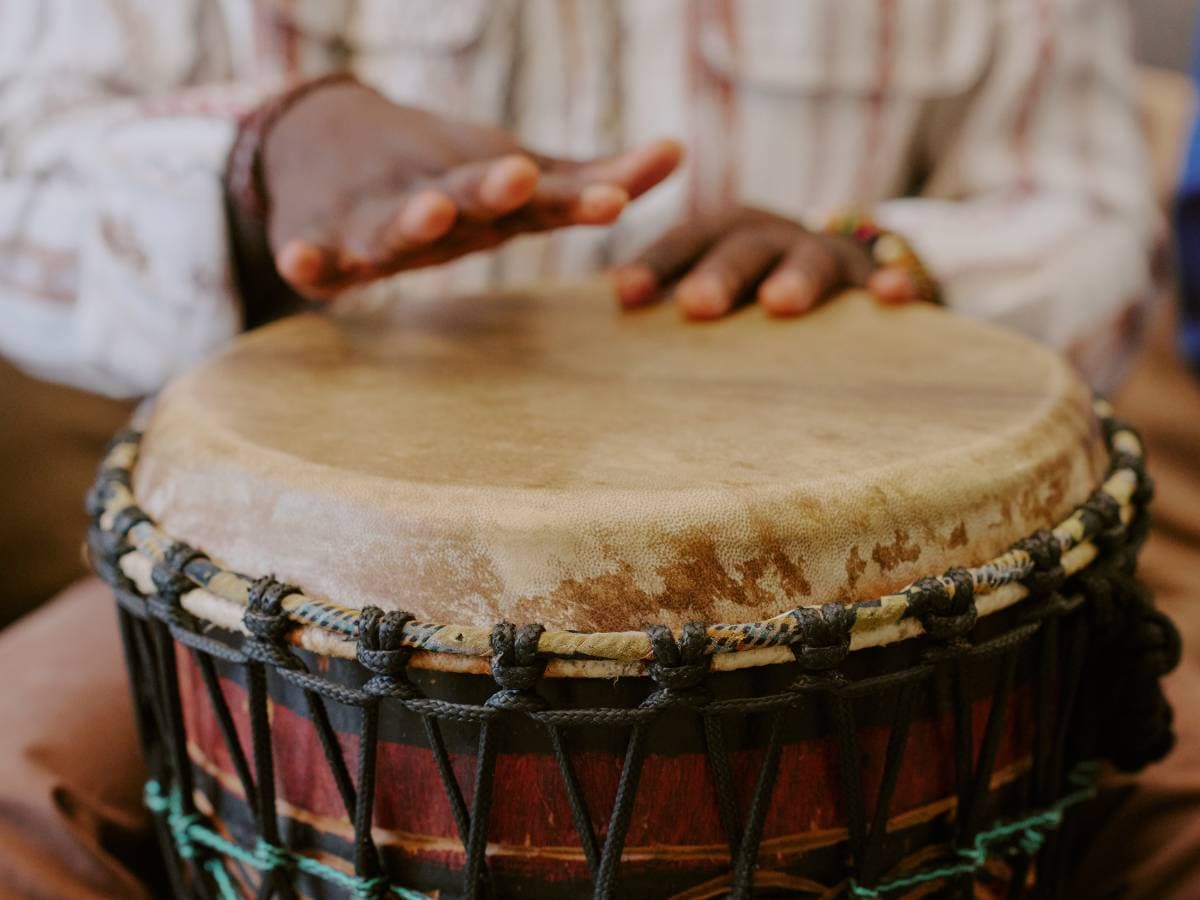
Thiès, the 'Rail Capital,' is a cultural crossroads: Fest'Rail festival (theater and comedy, 11th edition in November 2025), Thiès International Book Fair (SILTH, launched in 2011), Senegalese Manufactures of Decorative Arts (MSAD), and a regional museum classified as national heritage. In 2026, the city hosted the April 4th national holiday, a symposium on its railway history, and the National Youth Week, which brought together 1,050 young people from 14 regions. The MSAD, whose National Tapestry Manufacture was inaugurated in 1966, will celebrate its 60th anniversary on December 4, 2026. Their tapestries adorn international institutions, including a work on the Magal of Touba at the United Nations headquarters, and they target the international art market. Despite this potential, these events remain largely invisible internationally and require resources to structure themselves. This mission aims to professionalize, finance, and internationalize Thiès's major cultural events to leverage them for image, tourism, and employment. It relies on the diaspora for sponsorship, international promotion, expertise, and partnerships with other festivals, galleries, and cultural institutions.
View details →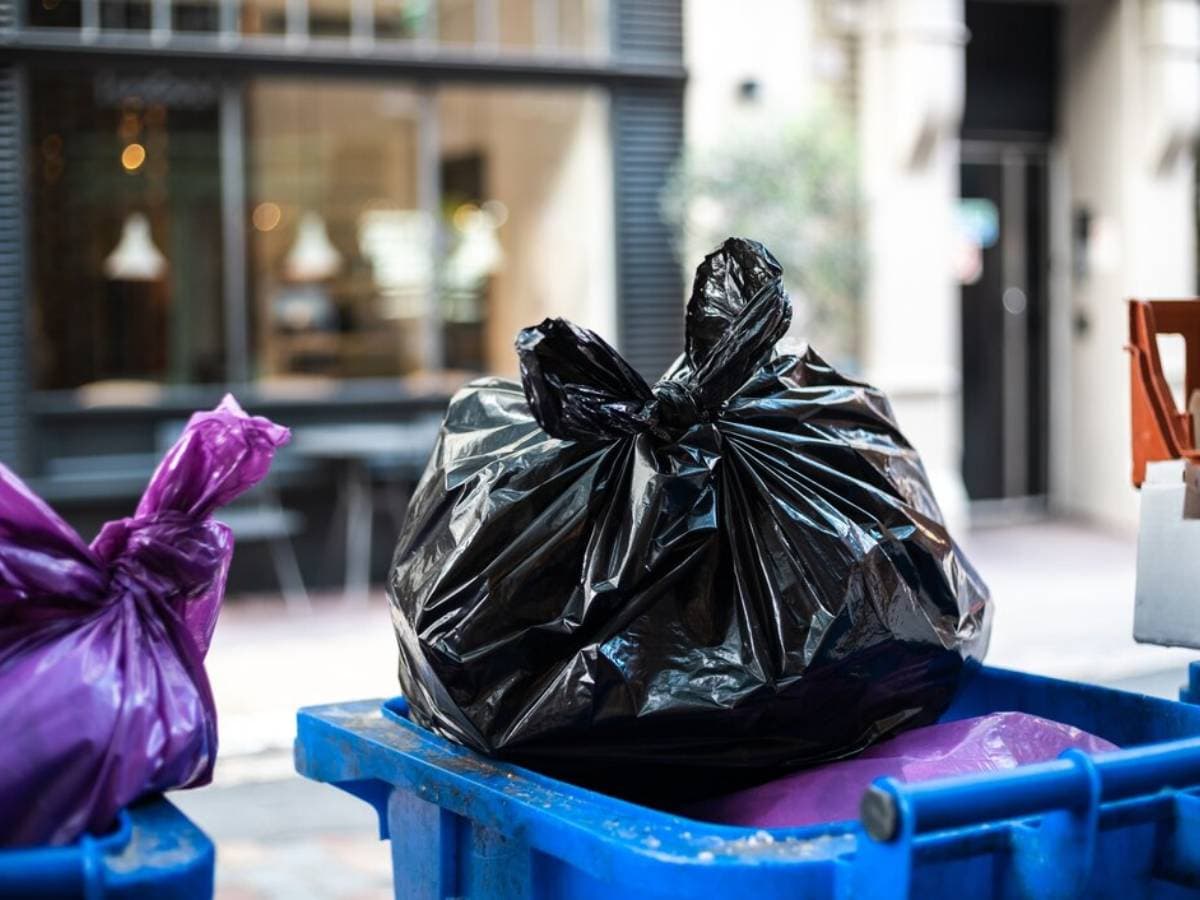
Thiès faces persistent urban cleanliness challenges, despite regular operations by the city council, SONAGED (formerly UCG), and residents. Campaigns target solid waste, cleaning of the central market, dredging of canals and gutters before the rainy season (Sampathé, Nguinth, Mbambara), and awareness-raising. During major holidays like Tabaski, SONAGED reinforces its resources at the central market (more than six collection vehicles and 200 agents in 2024), with waste evacuation to the Pout landfill. The 'Setal sunu reew' days, launched in Sampathé, have shown strong popular mobilization. The mayor wishes to adapt them into 'Setal sunu gox' at the neighborhood level, and the Xëyu Ndaw-gni volunteer corps is called upon to contribute. Local initiatives exist, such as that of the residents of Diakhao Thialy (Thiès Nord), who organize against unsanitary conditions. Waste thrown into drainage systems exacerbates flooding. However, urban growth, lack of equipment, and incivility limit the impact of these actions. This mission mobilizes the diaspora to transform ad hoc initiatives into a sustainable movement: equipment, expertise, digital solutions, and awareness.
View details →
Thiès is engaged in decentralized cooperation with the city of Cergy (France), with an agreement signed in 2006, and also maintains ties with Caen and Solingen (Germany). The city hosted a mission from Cergy in July 2024 and sent a delegation of elected officials to Cergy in 2023. These partnerships have resulted in concrete projects: school correspondence between Lycée Malick Sy in Thiès and Lycée Alfred Kastler in Cergy, the international urban planning workshop "Thiès, Crossroads City" in 2012, and solidarity exhibitions and festivals. In 2026, Thiès gained visibility with the National Day on April 4th and the National Youth Week. The extension of the TER (Regional Express Train) to Thiès is supported by the AFD, and the Manufactures des Arts décoratifs receive diplomatic delegations. This mission mobilizes the diaspora to expand these partnerships: identify new active twin cities, facilitate access to international funding, and promote the city's projects to investors and institutions. Projects to be highlighted include mobility (traffic lights, TER), cleanliness, culture, health, and youth. It also seeks diaspora experts (urban planning, engineering, municipal management) for technical support in their implementation.
View details →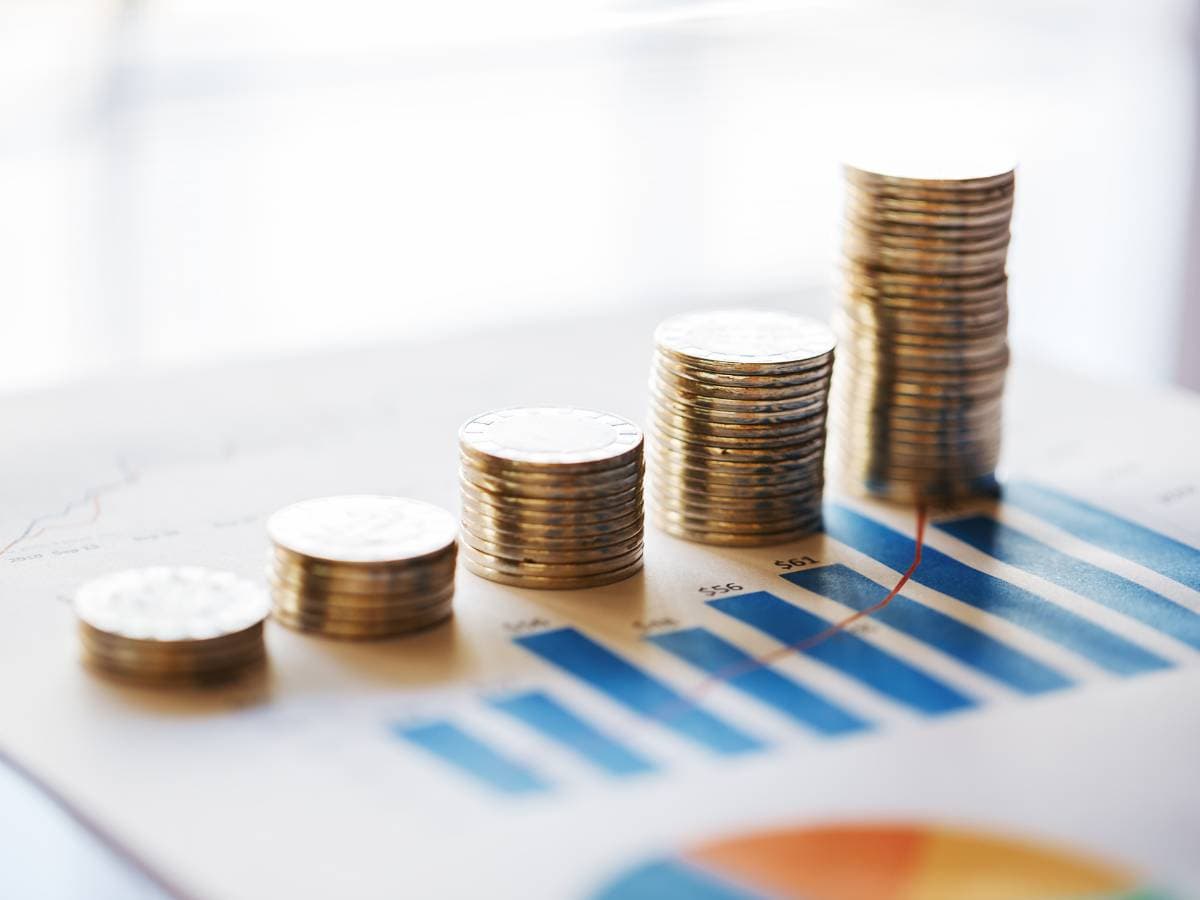
Thiès, a crossroads city near Dakar, benefits from the revitalization of the railway, the planned extension of the TER, and the AIBD–Thiès highway. According to the AFD, the industrial economy is gradually shifting towards Thiès, and the Prime Minister's Office estimated investments in the region between 2014 and 2022 at 1,228 billion FCFA. There is strong potential in agro-industry, horticulture, and aquaculture: the FAO Agri-accelerator 2.0 program for mango and oyster, the western agropole announced in Malicounda-Ngueniène-Sandiara (5,000 direct jobs planned), and horticultural zones like the Diobass valley. The city relies on a solid educational and economic fabric: University of Thiès, École polytechnique, Manufactures des arts décoratifs, merchants, and artisans. The municipality supports youth (scholarships, digital training from age eight), and the Xëyu Ndaw Ni program places the Thiès department at the forefront with 712 jobs, according to the Prime Minister's Office. Young entrepreneurs still face needs for financing, support, and market access. This mission mobilizes the diaspora to invest in impact businesses, transfer skills, and open business networks to serve youth employment.
View details →Thiès is a rapidly expanding city where citizen advocacy calls for more green spaces and the preservation of ancient trees, such as baobabs. This mission supports urban reforestation to improve the living environment, provide shade, limit heat, and better manage rainwater.The region is mobilized: for the 2025 campaign, the Regional Inspectorate of Water and Forests planned 500,000 seedlings, 90 ha of massive planting, 150 km of linear planting, and 60 ha of conservation planting.In 2026, the National Reforestation Campaign emphasizes the survival of planted trees and the responsibility of communities. A challenge rewards communities that maintain their plantations, and the "One Commune, One Nursery" initiative aims to create green jobs for youth and women.In Thiès, citizen mobilization already exists: Setal sunu reew days, city volunteers, neighborhood committees, schools.The diaspora can help create and equip nurseries, finance seedlings and watering, provide expertise in ecology, urban planning, and water management, and mobilize climate financing.Plantations primarily target avenues, schools, health facilities, and public spaces in neighborhoods.
View details →Thiès, the 'City of Rail,' is modernizing its public lighting: in 2024, the city council launched phase 3 of a 350 million FCFA project to replace a more than 20-year-old sodium network with LED streetlights on major avenues (Jean Colin, Lat-Dior, Léopold Sédar Senghor, Caen). The city has also deployed solar streetlights (1,541 installed out of 3,000 planned during a previous assessment) and is among the pilot communes for the PRODERE program. The Thiès region is a national energy hub: Taïba Ndiaye wind farm (158 MW), solar power plants in Malicounda, Mérina Dakhar, and Diass. In Malicounda, a power plant contributed to reducing power outages in the Thiès area by approximately 30% (2024 estimate). In Malicounda, the commune owns 5% of the solar plant's operating company, a model of local participation to be followed. The challenges remain managing the community's electricity bills, maintaining equipment, and extending efficient lighting to other avenues and neighborhoods. This mission mobilizes the diaspora to finance this expansion, invest in renewable solutions, and transfer skills, leveraging the École Supérieure Polytechnique de Thiès and sector stakeholders.
View details →Thiès will host events for the Dakar 2026 Youth Olympic Games (October 31 to November 13), alongside Dakar, Diamniadio, and Saly, for the first edition organized in Africa. The ambition is to leave a lasting legacy by making Thiès a regional center for sports training, preparation, and performance. The city relies on the National Center for Popular and Sports Education (CNEPS), created in 1971, which trains physical education teachers and sports executives and hosts the SEED Basketball Academy. A modernization program of over 20 billion FCFA, with support from China, has been announced. The Lat Dior stadium hosts national football and futsal teams, and the Maniang Soumaré stadium, modernized through the FIFA Forward program, features an artificial turf pitch. Challenges include maintenance and operating costs: the division of responsibilities complicates the upkeep of Lat Dior, and night lighting burdens the budget of Maniang Soumaré, where more energy-efficient lighting is being studied. This mission mobilizes the diaspora to finance and modernize these facilities, structure their sustainable management, and support the training of young athletes, coaches, and managers. It also aims to develop sports tourism, team preparation camps, and partnerships with federations, academies, and funders.
View details →
Thiès is experiencing a resurgence of traffic congestion. Every morning, thousands of residents travel to Dakar, and local travel largely relies on taxis, Jakarta motorcycles, and informal transport.The city council has reactivated traffic lights 60 years after their disappearance: five intersections since December 24, 2025, with two more phases planned (City Hall, Place des défilés, Nguinth roundabout, regional hospital, Champ de course).The extension of the TER to Thiès, supported by the AFD, and a Sustainable Urban Mobility Plan (PMUD) led by CETUD, pave the way for a structured transport network, with an initial investment of 20 to 30 million euros mentioned.The central challenge is the integration of informal transport actors (bus station drivers, taxi drivers, Jakarta drivers) and the connection between the station, neighborhoods, and employment hubs.The city council also wants to rehabilitate roads, strengthen public lighting, and pave neighborhoods.This mission mobilizes the diaspora to invest in innovative mobility solutions (fleets, digital, ticketing), provide expertise, and mobilize funding.
View details →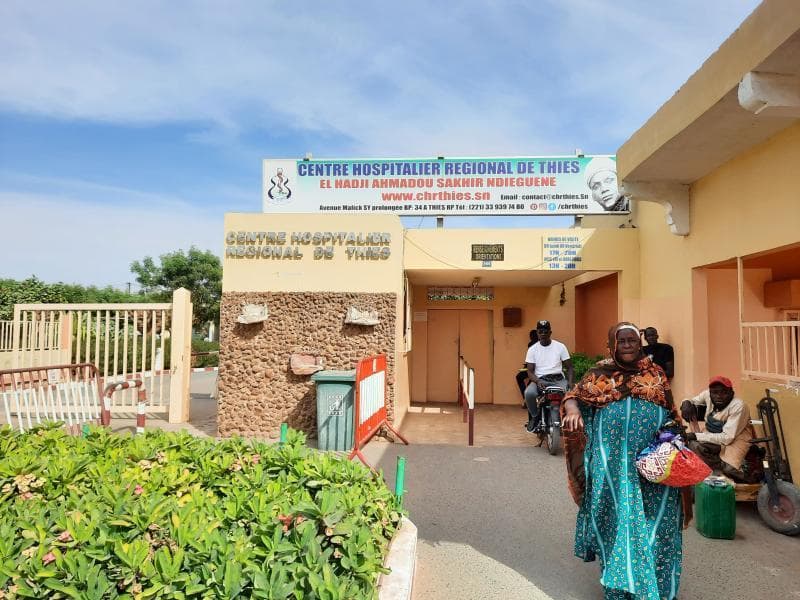
Thiès, a crossroads city and capital of a densely populated region, faces high demand for healthcare from both the city and surrounding areas. The Ahmadou Sakhir Ndiéguène regional hospital benefits from an investment program of over 12 billion FCFA, but needs persist for equipment, particularly in imaging (ultrasound, radiography, CT scan) and laboratory. Neighborhood health posts (such as Petit Thialy) and the Thiès health district provide local care and prevention. Maternal and neonatal health remains a priority: according to the regional governor, the region recorded 275 maternal deaths per 100,000 live births, and twelve equipped ambulances have been provided to improve evacuations. Located on highly frequented road axes, the region experiences numerous accidents, making emergency and medical transport essential. This mission mobilizes the diaspora to strengthen local health centers, equipment, staff training, emergency services, maternal and child health, and access to essential medicines, in coordination with the city council, the Regional Health Directorate, and the health district.
View details →Local authority
No document available
