

""
No facility listed.
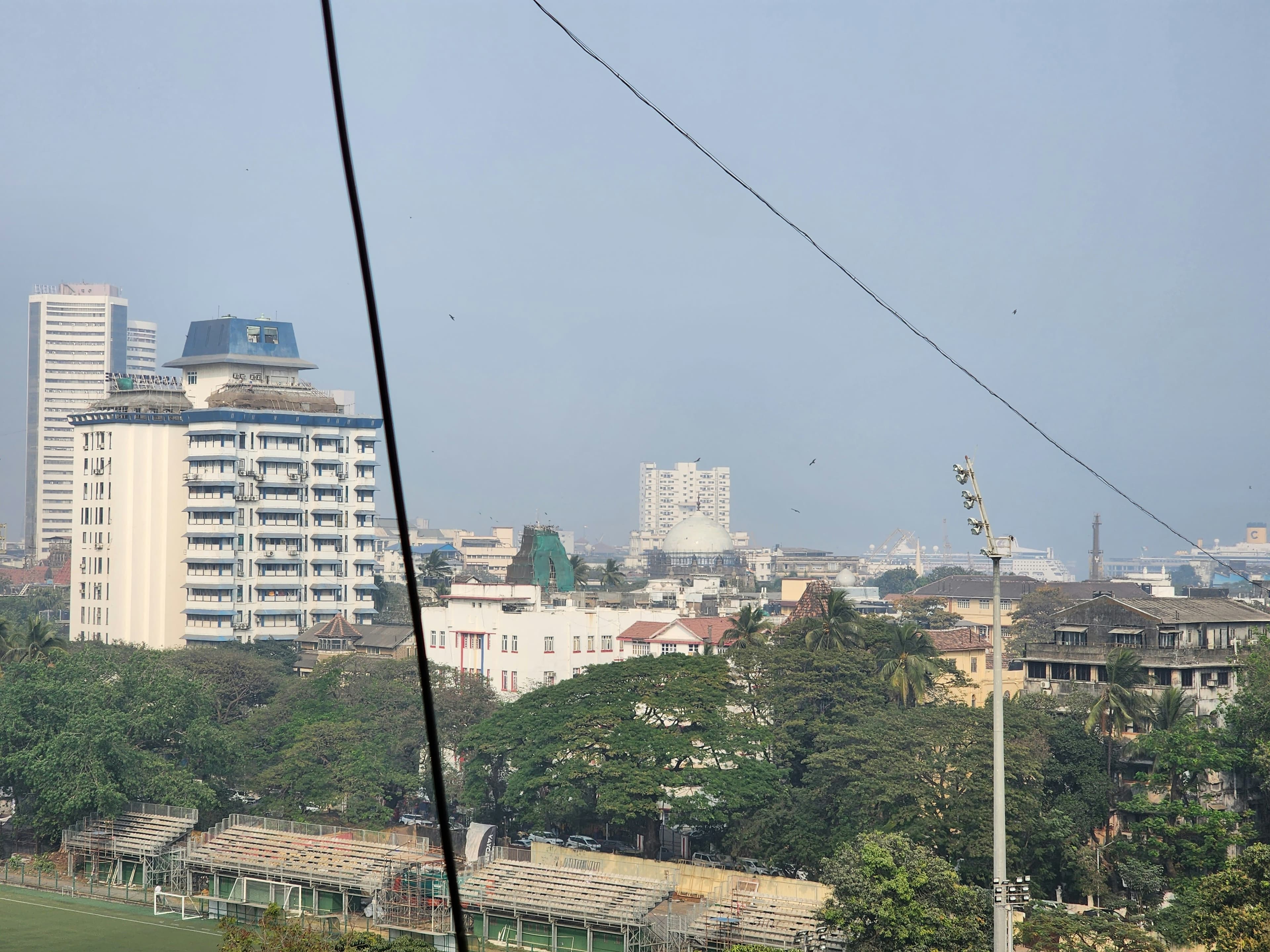
Saint-Louis, former capital of French West Africa, whose island is a UNESCO World Heritage site, maintains a historic decentralized cooperation with Lille (France), twinned since 1978, as well as a connection with New Orleans (United States) centered around jazz. The partnership with Lille has involved the city, the European Metropolis of Lille, the Department, and the Region. It has facilitated projects for the preservation of the island's heritage (architectural inventory, preservation plan, heritage office), free medical consultations, and public lighting projects. An association founded in 1981, "Le Partenariat avec Saint-Louis du Sénégal et sa Région" (The Partnership with Saint-Louis of Senegal and its Region), has supported school and dispensary projects from Lille. During a visit to Lille, the mayor sought to revitalize this twinning around quality of life, sanitation, waste management, public lighting, and agri-food potential. Saint-Louis also enhances its influence through its major cultural events (Saint-Louis Jazz, Fanal). This mission mobilizes the diaspora to consolidate these partnerships, find new partners (twin cities, universities, businesses, funders), facilitate access to international funding, and promote the city's projects.
View details →
Saint-Louis is one of the territorial hubs in northern Senegal, with an economy based on fishing, river valley agriculture, livestock farming, and tourism. A project for the Grand Saint-Louis Special Economic Zone (ZES) in Gandon aims to transform it into a regional industrial and logistics hub: eleven projects were presented by South Korean investors in December 2025. In terms of fishing and aquaculture, the Aqua Jëf 360 program of the National Aquaculture Agency aims to support young people and women in aquaculture entrepreneurship, and the Minister of Fisheries visited Saint-Louis during a tour in August 2026. Women processing fishery products in Langue de Barbarie face climate change, coastal erosion, and the reduction of processing sites. For training, ANPEJ inaugurated three Competence Centers (CENCOM) in Saint-Louis in December 2025, with the support of Andalusian Cooperation, to link training, employment, and entrepreneurship. Authorities invite young people to better understand support structures (ANPEJ, 3FPT), and Gaston Berger University participates in discussions on employability. This mission mobilizes the diaspora to invest in impact businesses (fishing and processing, aquaculture, agro-industry, tourism, digital), transfer skills, and open business networks to serve youth and women's employment.
View details →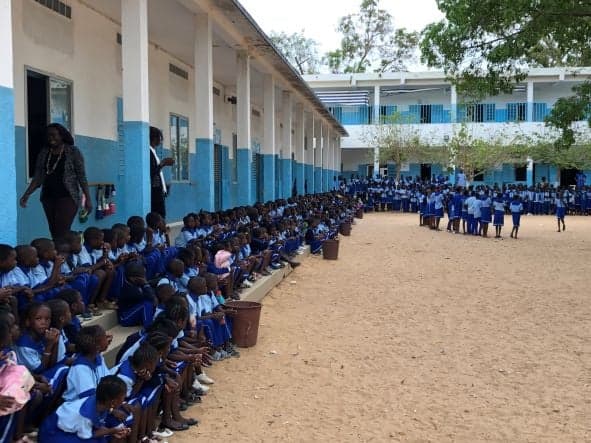
This mission aims to improve learning conditions in several public schools in Saint-Louis, affected by dilapidated buildings, post-wintering floods, and the persistence of temporary shelters. Needs include building rehabilitation (roofs, walls, floors), courtyard drainage, furniture, sanitation facilities, and site security. During a regional development committee meeting before the school year, the governor reiterated that several schools remain affected by floods and promised advocacy regarding temporary shelters. He also advocated for a high school in Pikine, where the same school accommodates primary, middle, and high school students. Khayar Mbengue Elementary School (formerly École des Fils de Chefs), built in 1855 in the Tendjiguène and Balacoss neighborhoods, symbolizes these challenges: according to a resident, its enrollment dropped from 1,200–1,700 students to approximately 200 due to unusable classrooms, and residents mobilized in September 2025 to drain water and request its rehabilitation. Nationally, 7,122 temporary shelters are still recorded (PRORAP, December 2024), demonstrating the scale of the needs. This mission mobilizes the Saint-Louis diaspora to finance rehabilitation and equipment works, provide expertise (engineering, architecture, project management), and support advocacy with institutions. Initial interventions will focus on priority schools identified with the city hall and the Inspection d'Académie.
View details →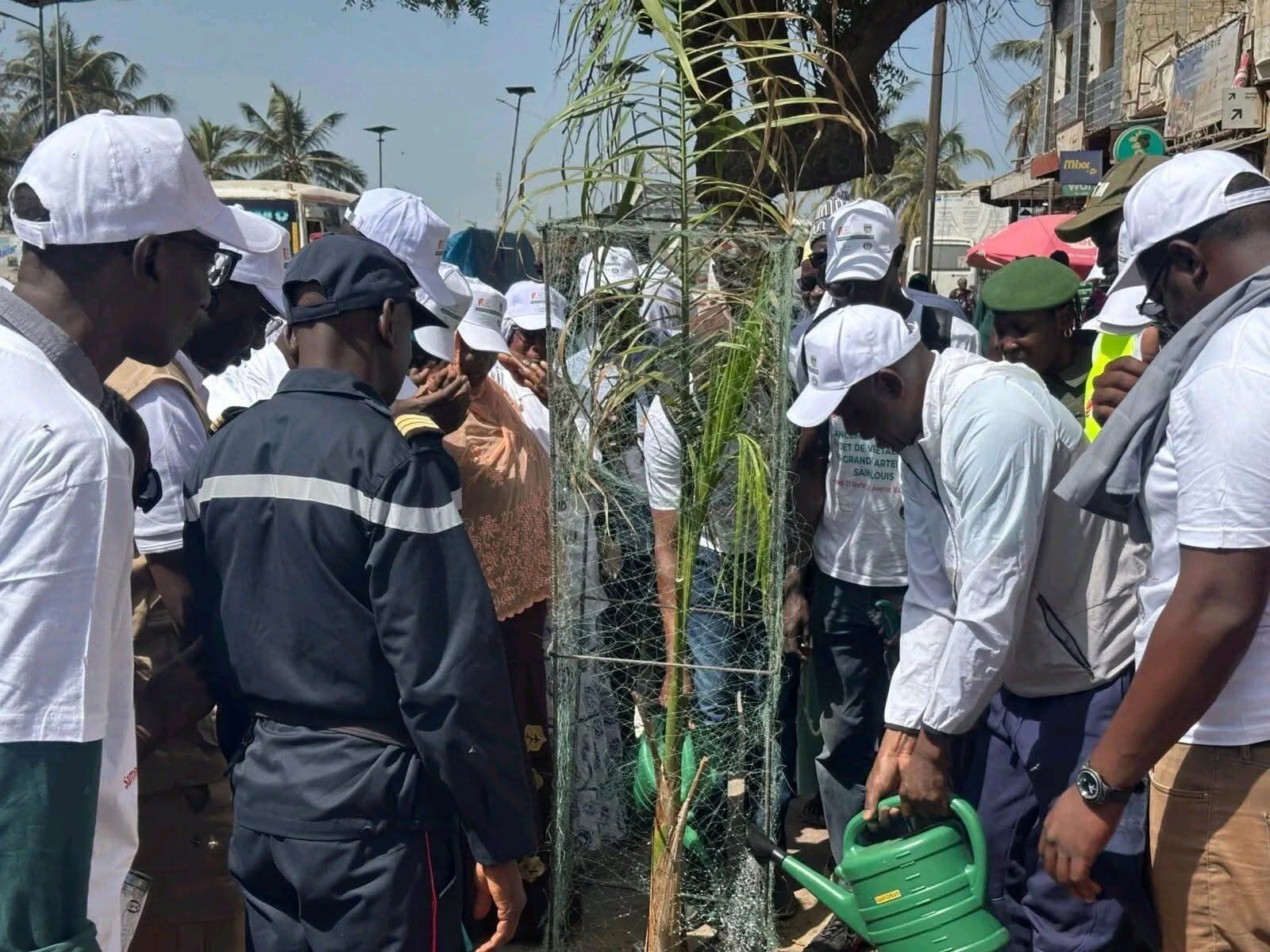
Saint-Louis is highly exposed to coastal erosion and rising sea levels, and the city seeks to become greener and more resilient. In February 2026, the city council, with its German partner city of Rastatt, launched a project to green its major arteries: 5,306 trees to be planted, a municipal nursery, and a budget of 300 million FCFA, starting with Macky Sall Avenue in Sor.The mayor has raised awareness among residents about watering and maintaining each planted tree, and the 2026 national reforestation campaign places tree survival at the heart of its priorities, with a challenge for local communities.On the coast, the Langue de Barbarie benefits from casuarina and mangrove plantations: the Aar Sunu Aalam association planted 100 casuarina trees in the Marine Protected Area, and a program aimed at stabilizing dunes with 12,800 casuarina seedlings over 10 hectares.The Langue de Barbarie National Park has also replanted mangroves with thousands of propagules, with the support of partners like Kosmos Energy.Needs remain significant: watering, maintenance, plant protection, nursery expansion, and mobilization of neighborhoods and schools.This mission mobilizes the diaspora to finance plants, watering, and the nursery, provide expertise in ecology, urban planning, and water management, and mobilize climate finance and partnerships with NGOs.
View details →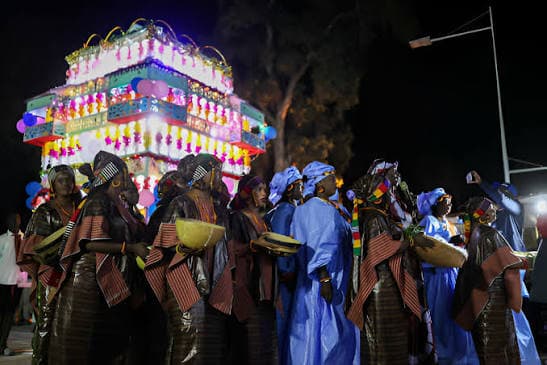
Saint-Louis, a UNESCO World Heritage city, is the cultural capital of northern Senegal. Two flagship events punctuate its calendar: the International Jazz Festival, created in 1992, and the Fanal, a nocturnal parade of giant lanterns relaunched in the late 1990s, held every December. The 34th edition of the jazz festival took place from May 13 to 17, 2026, featuring Côte d'Ivoire as the guest of honor, an international craft and trade fair, and a historical link with New Orleans. Over 250 artists have been welcomed throughout the editions, and the 35th edition, themed "Return to Africa," is announced for May 4 to 8, 2027. The Fanal features several-meter-high lanterns representing the city's monuments parading around Faidherbe Square, accompanied by the songs and dances of the signares. Its organization is fragile: the 2015 edition could not take place due to lack of resources. Traditional regattas and the island's architectural heritage complement this cultural offering. These events support crafts, hospitality, and catering, but they require stable funding, enhanced international promotion, and better structuring. This mission mobilizes the diaspora to sponsor, promote these events internationally, professionalize their organization, and create partnerships with festivals, twin cities, and cultural institutions.
View details →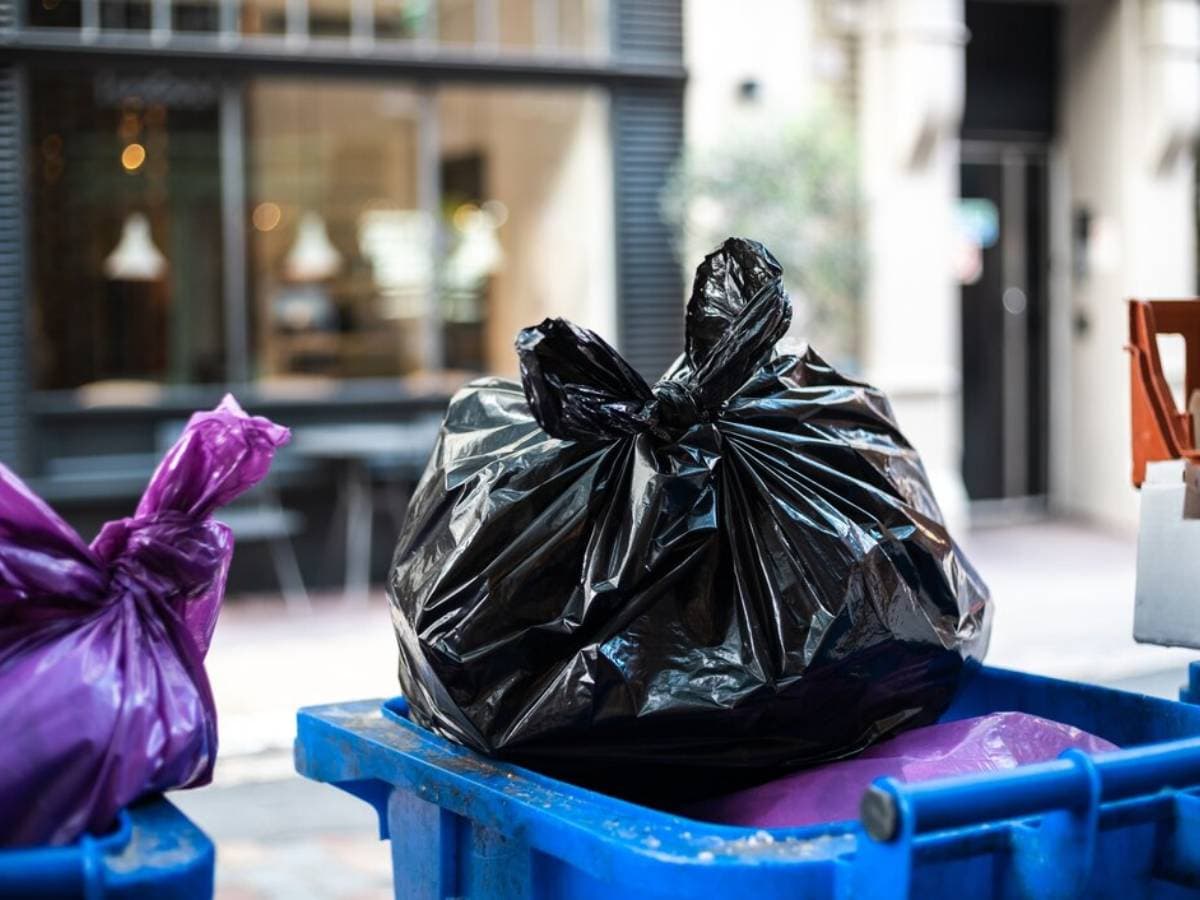
Saint-Louis, a coastal city exposed to rising sea levels, is committed to energy transition through its climate partnership with the German city of Rastatt, established in 2014: a photovoltaic installation already equips the city hall and one of the three civil status offices. The region also benefits from ANER's national solar public lighting program: over 12,000 solar streetlights installed during phases 1 and 2, and a third phase of 9,430 streetlights announced, totaling over 21,000. The agency has also equipped over 78 localities with solar kits (health posts, schools, religious buildings). In 2026, the national electricity grid will experience new outages due to the unavailability of production means and increased demand during high temperatures, which reinforces the interest in local solutions: solar, storage, and smart energy management. The mayor aims to make Saint-Louis a sustainable city. The needs include reducing the municipality's electricity bill, ensuring reliable public lighting, equipping public buildings (city hall, schools, health centers, markets) with solar power, and training local technicians. This mission mobilizes the diaspora to invest in solar and storage, provide technical expertise, transfer skills, and connect the city with funders and international partners.
View details →
Saint-Louis, a city in northern Senegal near the Mauritanian border, serves as a healthcare reference point for the region: deputies have highlighted that populations from neighboring countries like Mauritania come here for care. The regional hospital center, housed in a historic hospital over a century old, is in great difficulty: the mayor has deemed its state of disrepair unacceptable, and the construction of a new university hospital (level 4, then level 5 as requested by parliamentarians) is still awaited. Progress has been made: in June 2026, the region received its first forensic doctor, which will prevent the transfer of bodies to Dakar, over 200 km away, and a mortuary cabinet was donated to the hospital by the And Deekil Ndar association. Significant needs remain for medical equipment (including imaging), service rehabilitation, and prevention (hygiene, epidemics like Rift Valley fever). This mission mobilizes the Saint-Louis diaspora to finance equipment and the rehabilitation of health services, provide medical and hospital management expertise, and support advocacy for a modern hospital. It relies on local associations like And Deekil Ndar and works in coordination with the city council, the Regional Health Directorate, and the hospital management.
View details →
Saint-Louis spans three areas (the mainland with Sor, the historic island of Ndar, a UNESCO World Heritage site, and the Langue de Barbarie), connected by the Faidherbe bridge, the only passage between the island and the mainland. This sole access point is saturated, particularly between 1 PM and 6 PM, with heavy traffic jams between the bridge entrance and Rue de Paris. Elected officials are calling for a second bridge, and construction of the Dakar–Tivaouane–Saint-Louis highway is underway. On March 11, 2025, the Land Transport Development Fund (FDTT), in collaboration with CETUD and two GIEs from Langue de Barbarie, launched 20 gas-hybrid taxis to serve Goxu Mbacc, Ndar-Toute, Guet-Ndar, and Hydrobasse, along with the city's first gas station. Fifteen additional vehicles have been announced. Travel also relies on taxis, Jakarta motorcycles, and informal transport, and the Dakar–Saint-Louis railway line has been abandoned since the early 1990s. The Faidherbe bridge was rehabilitated thanks to 12 million euros in funding from the AFD. This mission mobilizes the diaspora to invest in innovative and sustainable mobility solutions (clean fleets, digital ticketing, parking), share their expertise, and mobilize funding.
View details →Saint-Louis, a UNESCO World Heritage city, regularly conducts cleanliness campaigns with the city council, SONAGED, state services, and residents. The municipality has entrusted waste management to SONAGED to maintain a standard of cleanliness. On June 20, 2026, SONAGED launched the SETT Community Intervention Program (PIC 7) in Pikine, as a continuation of the national Setal Sunu Réew program, after 265 tons of waste had already been collected during preparatory operations. During major holidays like Tabaski, SONAGED mobilizes all its resources in markets (Saint-Louis, Tendiguedj, Ndar) and on main arteries (Macky Sall Boulevard, Rue de Paris), with a target of approximately 1,000 tons of waste. A Setal Sunu Réew day also cleaned Guet-Ndar beach with agents, gendarmerie students, and military personnel. The challenges remain waste management along riverbanks and on beaches, the reported absence of a treatment and valorization center, and the situation of informal waste pickers, who handle waste without protection. The Director General of SONAGED advocates for a sustainable economic model and for the development of the circular economy through waste valorization. This mission mobilizes the diaspora to finance equipment (bins, materials, vehicles), support neighborhood awareness, invest in sorting and recycling, and provide expertise in waste management.
View details →Local authority
No document available
