

""
No facility listed.
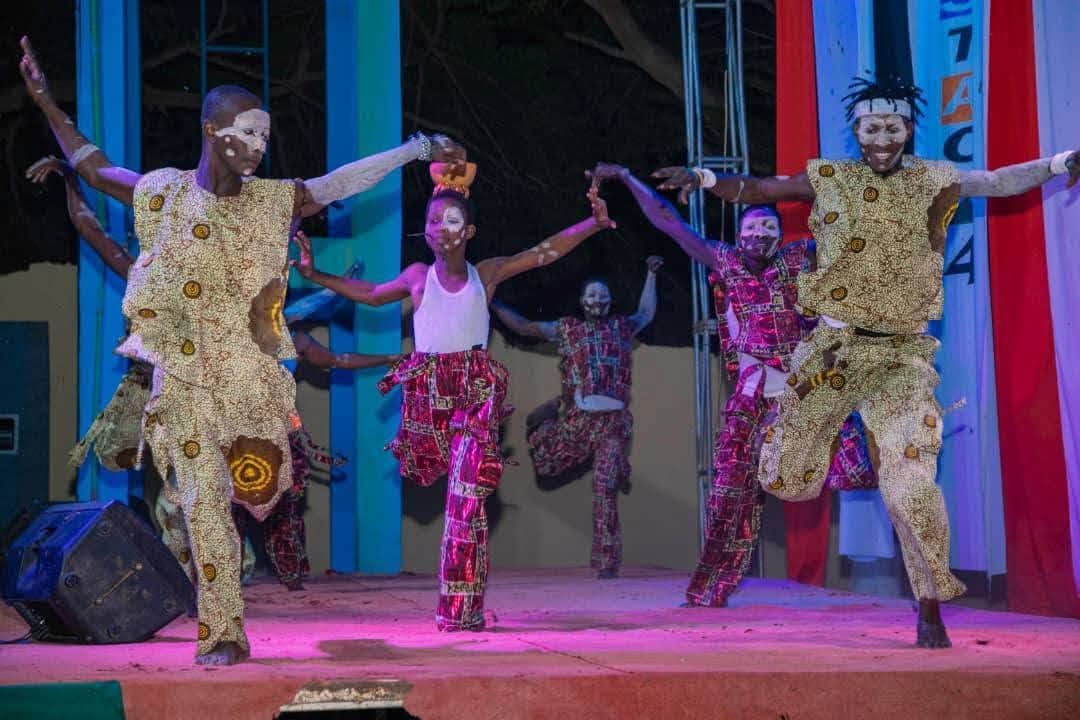
This mission aims to structure, professionalize, and internationally promote the cultural events of Boké, a port city on the Rio Nunez with 130,944 inhabitants (RGPH-4, 2025), located in the heart of Kakandé, presented as a "crossroads of cultures" by the theme of the local festival. The city has real assets: the 1st edition of the Kakandé Namougny Festival (May 28-30, 2026), focused on unity in diversity; the Batafon de Boké troupe, active since the 1980s, winner of the 1st prize at the International Djembé Festival (December 2024) and then invited to the Surajkund International Craft Mela in India (February 2025); and the Boké Museum, housed since 1971 in the old fortin from 1878. However, these initiatives remain sporadic, poorly funded, and not very visible outside the region. The mission involves building an annual cultural calendar around the Kakandé Namougny festival, strengthening its funding and organization, promoting the museum and the historical heritage of the fortin, supporting local troupes and artists towards international stages, and attracting partners, sponsors, and visitors. A shared development plan will be developed with the City Hall, local organizers, and cultural actors in Boké.
View details →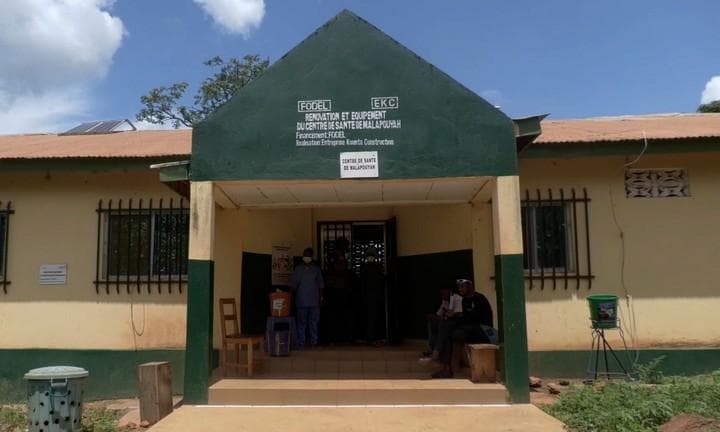
This mission aims to strengthen access to healthcare and the quality of health services in Boké, a city of 130,944 inhabitants (RGPH-4, 2025) and the capital of a region with over 1.3 million inhabitants. In 2022, the region had one regional hospital, 4 prefectural hospitals, 44 health centers, and 206 health posts, but only 155 doctors and 128 midwives, or about one doctor for every 8,800 inhabitants. Indicators remain concerning: in 2018, neonatal mortality was 38‰, infant mortality was 64‰, and only 45.6% of births were attended. Progress has been made, such as the medical oxygen plant inaugurated at the regional hospital in October 2025 and the provision of emergency kits and biomedical equipment by Expertise France in July 2026, but needs remain significant. Priorities include strengthening the technical capabilities of the regional hospital and emergency services, equipping peripheral health centers and posts, maternal and neonatal health, vaccination, supply of essential medicines, and training of local health personnel.
View details →
This mission aims to improve urban mobility in Boké, a rapidly growing port city of 130,944 inhabitants (RGPH-4, 2025), located in the heart of a mining region where 14 companies operate. Every day, bauxite, sand, and granite trucks traverse the urban commune, prematurely wearing out roads and increasing accident risks: in May 2026, cracks and subsidence were reported less than six months after the paving of the Tamaranssy-Tamakènè axis, and residents have been demanding the completion of the bypass road for several years. Identified needs include the construction and securing of a bypass road to divert heavy vehicles from the city center, the rehabilitation and drainage of urban roads, public lighting and signage, the development of sidewalks and bus shelters, as well as the organization of safe, affordable, and professional public passenger transport, with innovative solutions (electric or hybrid vehicles, digital tools, solar solutions). A shared diagnosis with the City Hall, state services, and sector operators will help prioritize the most urgent investments.
View details →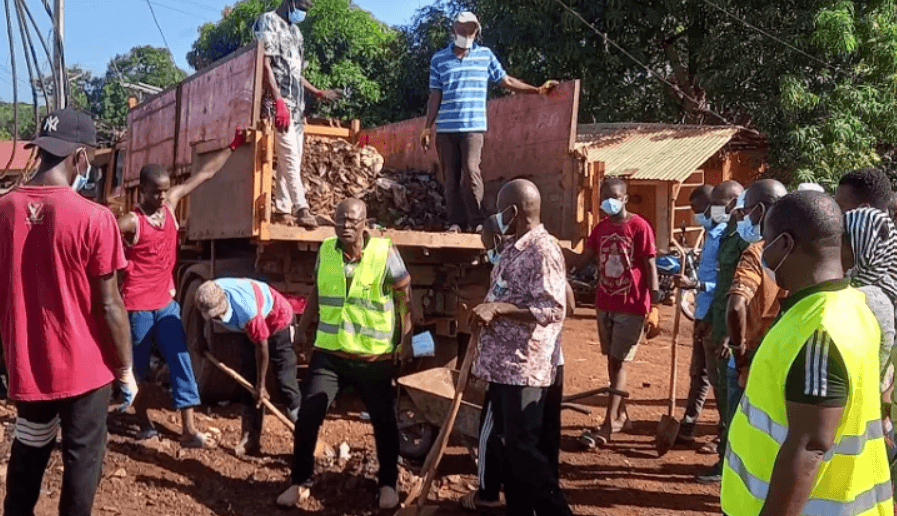
This mission aims to support the cleanliness and sanitation campaigns of the urban commune of Boké, a city of 130,944 inhabitants (RGPH-4, 2025) experiencing rapid growth. Waste management remains a major challenge: in March 2026, mountains of garbage were accumulating at the entrance of the Hangar market, with unbearable odors and health risks for traders and users, while traders denounced the lack of effective collection despite the sanitation tax they pay. Plastic bags also invade the streets and public squares due to a lack of public bins and a recycling system. Mobilizations exist, such as the sanitation operation on September 26, 2026, which brought together the commune, ANASP, defense and security forces, and youth before the October 2nd celebration, but these remain sporadic. Priority actions include the collection and treatment of solid waste, market sanitation (including the Hangar market), drain cleaning before the rainy season, installation of public bins, plastic valorization and recycling, and public awareness campaigns, with the employment of young people in these activities.
View details →
This mission aims to mobilize the diaspora to enhance the international influence of Boké, a port city of 130,944 inhabitants (RGPH-4, 2025) at the heart of Guinea's main mining region. Boké possesses strategic assets: the Rio Nunez, port activities related to bauxite, and a deep-water multi-purpose port project whose feasibility study was launched in 2025 with the support of the African Development Bank. However, the city remains little known to international partners and largely depends on the support of mining companies. In July 2026, the new municipal executive, led by Mayor Bassékou Amirou Dramé, thus requested a sanitation truck and an excavator from the SMB-Winning consortium. The mission involves identifying partner cities and establishing twinnings and decentralized cooperation agreements, facilitating access to international funding, promoting the municipality's projects to investors and donors, and mobilizing urban planning and municipal management experts to strengthen the municipality's services.
View details →
This mission aims to mobilize the diaspora to support the creation of impact businesses and youth employment in Boké, a city of 130,944 inhabitants (RGPH-4, 2025) located in the heart of a mining and agricultural region. Nationally, 45% of young Guineans aged 18 to 35 declare themselves unemployed and actively seeking work, and 57% say they are attracted to entrepreneurship (Afrobarometer, 2025). In Boké, the economy relies on mining, trade, and agriculture, which employs over 80% of the region's population, while fishing, a historical activity, is diminishing according to local authorities. Training initiatives are multiplying: 73 young people from Boké and Télimélé trained for two months at the Regional School of Arts and Crafts (August 2026) and 100 young people supported in job searching and entrepreneurship by AGUIPE-E (September 2026). However, these remain ad hoc and are not sufficient to foster sustainable businesses. The mission involves supporting local project leaders in promising sectors (agricultural processing, fishing, trade, services, crafts, digital), providing funding and mentorship, and creating business partnerships with investors and diaspora companies.
View details →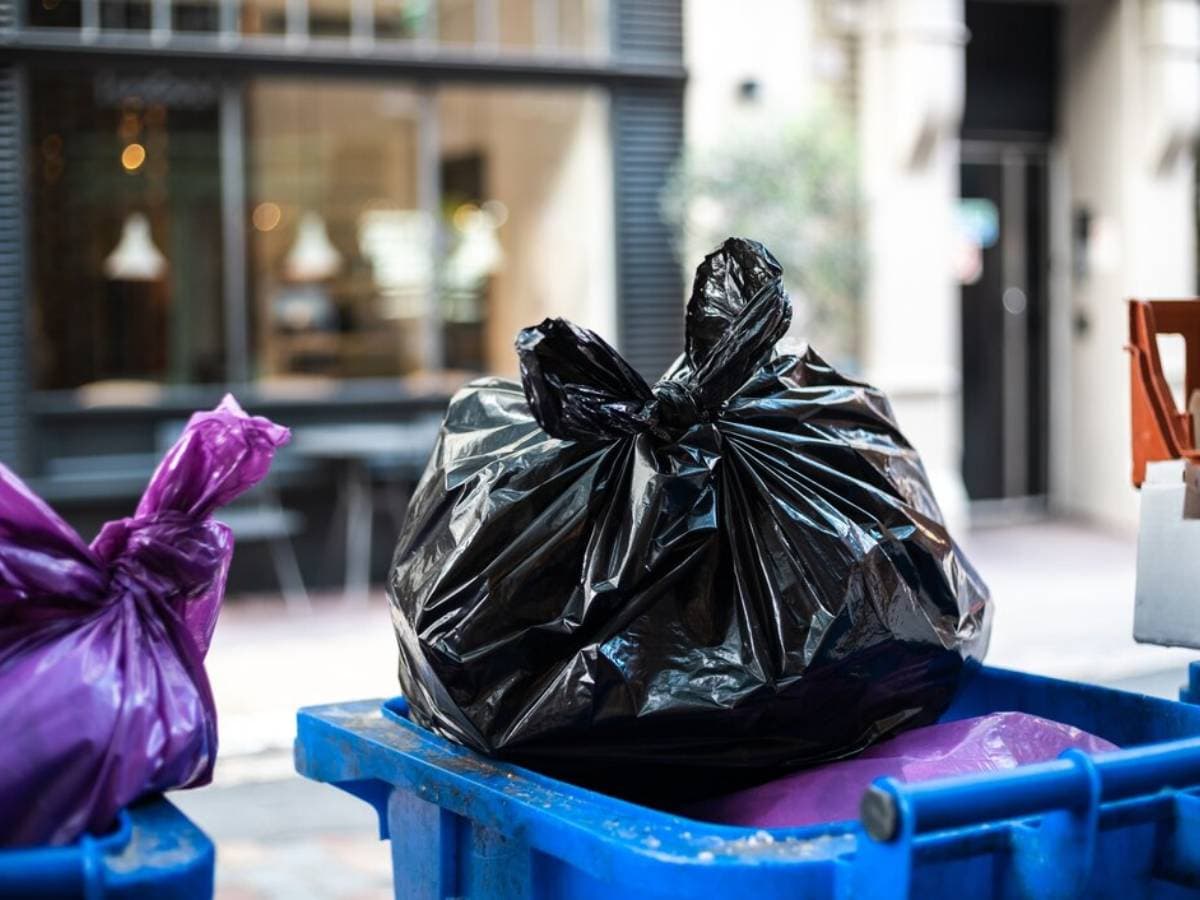
Boké, at the heart of a major mining area in Guinea, is experiencing significant pressure on its soil and vegetation cover. Mining companies are conducting restoration campaigns. The Compagnie des Bauxites de Guinée (CBG) launched its annual campaign in August 2026 on 88 hectares in Sangarédi, following 200 hectares in 2023 and 136 hectares in 2024, and states it has already reforested over 1,000 hectares, by recruiting youth from riparian communities. The SMB-Winning Consortium planted 10,000 seedlings on 400 hectares in Dabiss in July 2025, with 75% local species and 25% cashew trees more useful to communities. As early as 2018, it had also reforested plateaus in the Kakoui sector, between the Wakrya and Kadiguira districts of the urban commune of Boké, as well as 30 km of mining road. These efforts focus on mining sites: the city itself, its neighborhoods, schools, markets, roads, and riverbanks, where shade and coolness are lacking, still need to be greened. This mission mobilizes the diaspora, in addition to and in partnership with mining companies, the regional environmental inspection, and the commune, to finance nurseries, seedlings, watering, and protection of young trees, share expertise in forestry and restoration, mobilize climate financing and NGOs, and create green jobs for local youth, using adapted local species.
View details →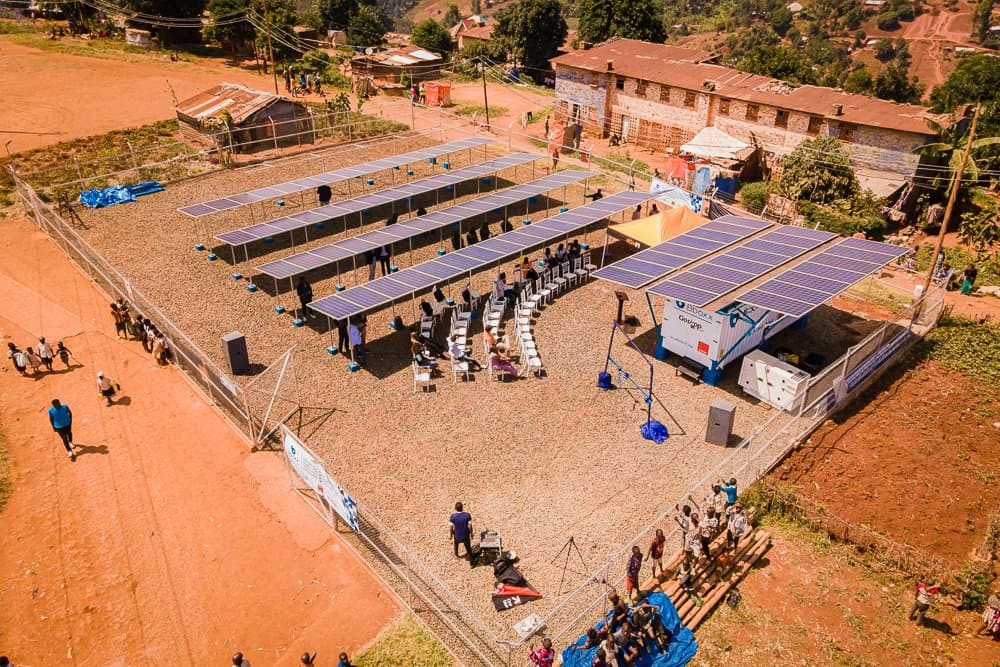
Boké, Guinea's mining heart, has long experienced load shedding. As recently as 2018, the city remained plunged into darkness due to EDG generator failures, and the prefect requested acceleration of its interconnection to Kaleta's electricity. The situation has changed. With the Linsan-Boké-Kaleta section of the OMVG network, the region receives clean hydropower, and Boké has been announced as having 24-hour supply since approximately 2022. In April 2023, a protocol between CBG and the government supported the connection of the Kaleta and Souapiti dams to the line serving the Kamsar-Boké-Sangarédi corridor. However, the system remains fragile: on April 30, 2024, a trip at the Kaleta power plant plunged Boké, Kolaboui, and Kamsar into darkness for 24 hours, the first general outage since the switch to 24/7. The next step, according to the World Bank, is to modernize the grid, expand access, and integrate solar into hydroelectric assets. This mission mobilizes the diaspora to consolidate this transition at the city level: solar with storage for essential services (hospital, health centers, schools, markets), quality LED and solar public lighting with remote management, expansion of access to peripheral neighborhoods, a pilot project on a public site, training of a team of local technicians and a maintenance contract, then replication neighborhood by neighborhood, in partnership with EDG and mining operators.
View details →
Boké, Guinea's mining heartland, presents both economic opportunities and significant social expectations. An active civil society has emerged: organizations like C-DEV, the National Network of Civil Society for Environment and Sustainable Development (ReNaSCEDD), and the NGO Actions Mines monitor issues of access to drinking water and youth employment, and have formulated a list of demands with the communities. A dialogue project called "Boké Hèry," led in 2018 by Search for Common Ground, brought together communities, local authorities, mining companies, and civil society organizations. It addressed tensions surrounding youth employability and recommended supporting local initiatives by young people and women. The Local Economic Development Fund (FODEL), launched in Boké in December 2018, prioritized good governance, transparency, and the empowerment of women and youth, with civil society acting as a watchdog. In 2023, the UNDP supported income-generating activities for women affected by mining in the Boké and Kankan regions, in partnership with four local NGOs. These organizations remain fragile: irregular funding, need for training in advocacy, management, and accountability, and coordination with the municipality needs strengthening. This mission mobilizes the diaspora to support these actors: by financing structuring projects (water, schools, health centers, incubators, women's activities), providing expertise, creating links with NGOs, universities, and donors, and supporting the professionalization of local organizations, in coordination with the urban municipality of Boké.
View details →Local authority
No document available
