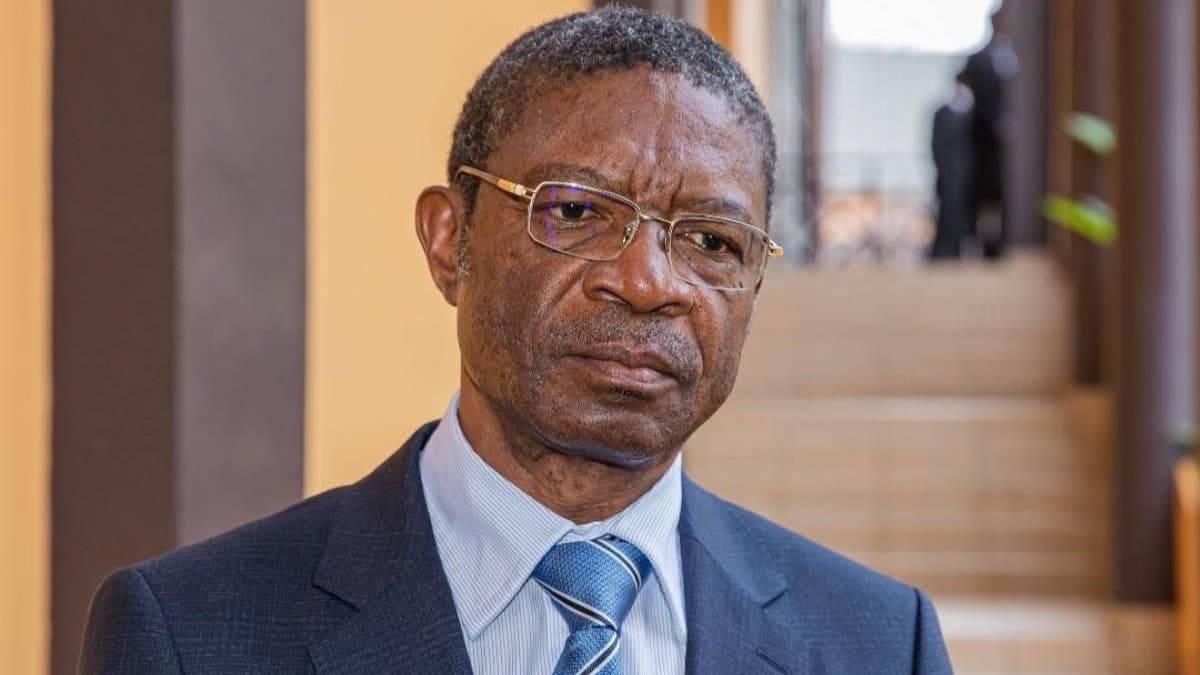
"The Cameroonian diaspora constitutes an essential force to accelerate the development of Yaoundé and of Cameroon. I make an appeal to our compatriots abroad to invest more in promising sectors such as infrastructure, innovation, and urban services, while putting their skills and expertise to good use. I invite them to engage actively alongside local authorities to support the modernization of the city and back the ongoing structuring projects. Through their mobilization, their investments, and their know-how, the diaspora is called upon to become a key actor in the sustainable transformation and economic influence of Yaoundé."
Mayor of the City of Yaoundé
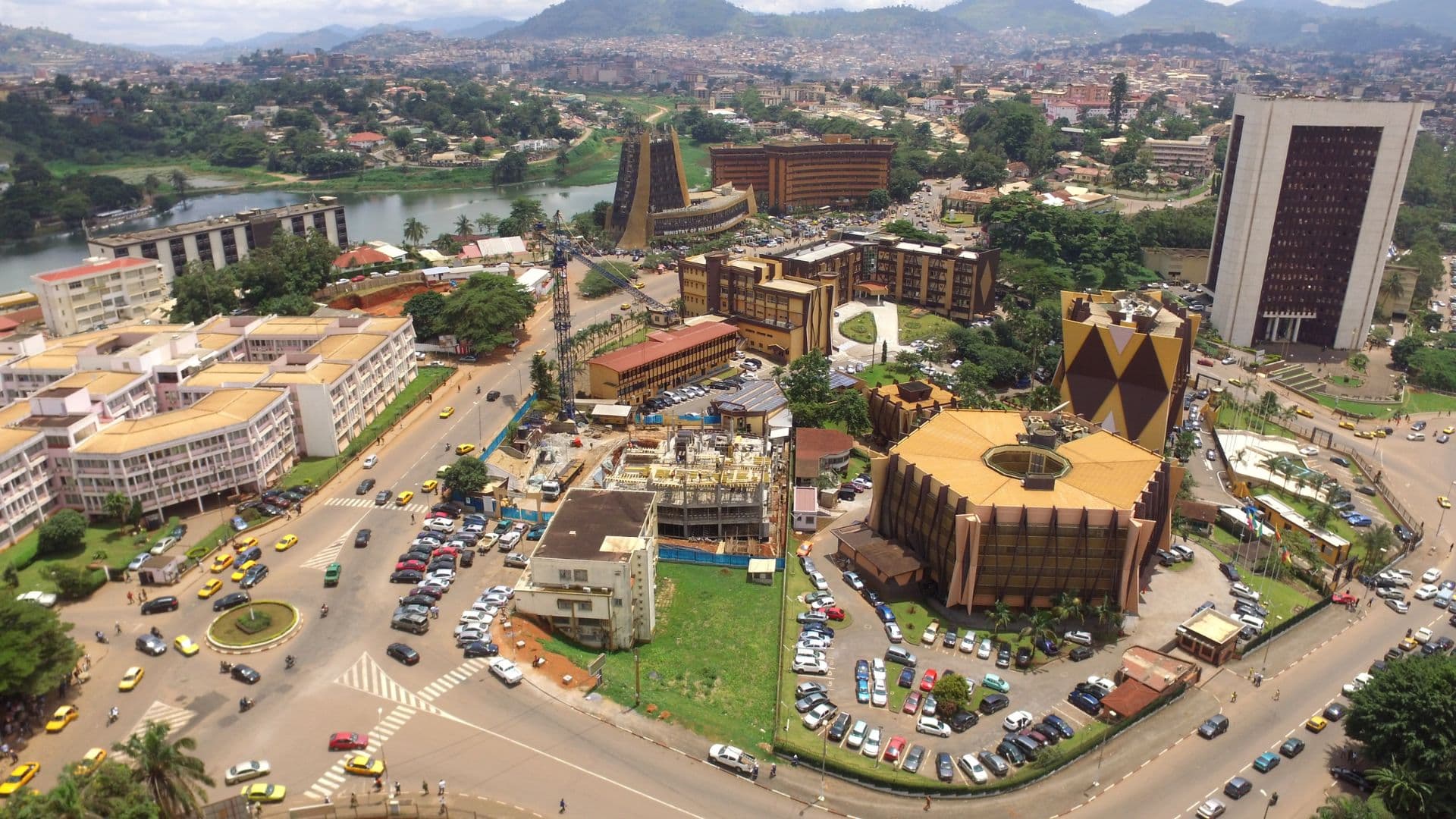
Yaoundé, the political capital of Cameroon, is establishing itself as a strategic hub in Central Africa with a population estimated at nearly 3.7 million inhabitants in 2025. The city represents about 15% of the national GDP, confirming its economic and institutional weight. Driven by dynamic urbanization and a rise in public investment, its major institutional role fosters economic attractiveness and the concentration of decision-making, stimulating opportunities in infrastructure, energy, and urban services. The city is on a modernization trajectory with several structuring projects, such as the development of new road infrastructure, sanitation and waste recovery programs, as well as the extension of energy networks.
Interlocuteur dédié (email, tel…)
Travail ou collaboration à distance
Assistance projets

This mission aims to improve learning conditions in several public schools in Yaoundé, which are particularly affected by the advanced deterioration of infrastructure, notably in the peripheral and working-class districts (Yaoundé II, III, VI, and VII). The identified needs include the rehabilitation of buildings (roofs, walls, floors), the construction of new classrooms, drainage to combat flooding, the provision of furniture and sanitary facilities, the securing of sites, and land regularization. The most critical schools, such as those of Akak Ndoé, Messebe, Briqueterie, and certain sectors of Nsimeyong and Nkolbisson, are targeted for urgent interventions.
View details →
Faced with the saturation of reference hospitals, the lack of equipment and staff in local health centers (notably in Briqueterie, Nkolndongo, Mvog-Mbi, Mendong, Nkolbisson), and the challenges related to maternal and child health (peri-urban areas such as Mfou, Soa, Nkoabang, Mbankomo), infectious diseases (malaria, typhoid) and chronic diseases, as well as the inadequacy of emergency services in Yaoundé, this mission aims to mobilize the diaspora. Priority actions include building and equipping peripheral health centers, strengthening district hospitals with modern equipment, increasing qualified medical staff, developing emergency services and a functional ambulance network, improving maternal and neonatal health, setting up early-screening programs for chronic diseases, ensuring regular and safe access to essential medicines, modernizing laboratories and medical imaging services, and strengthening hospital hygiene and biomedical waste management.
View details →
In Yaoundé, the political capital of Cameroon, investment opportunities are developing rapidly thanks to population growth and urbanization. The city is an expanding administrative, economic, and consumer center. The trade and distribution sectors are dynamic (import-export, e-commerce, modern networks). Real estate is experiencing strong demand (housing, offices, residences, coliving). Transport and logistics remain essential to ease urban mobility. Agro-industry, services, and digital technology offer prospects for strong growth. Social impact investments are particularly relevant for youth employment.
View details →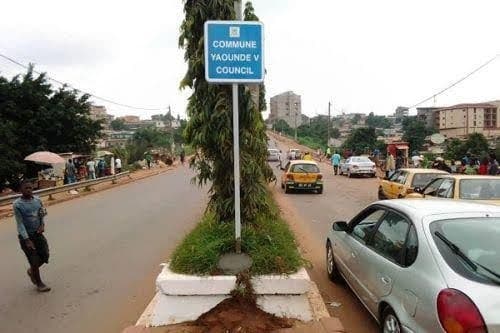
Take part in the urban reforestation of Yaoundé, a key initiative to improve the living environment, strengthen environmental resilience, and combat the effects of climate change. This project aims to increase vegetation cover, reduce pollution, limit heat islands, and better manage rainwater.
View details →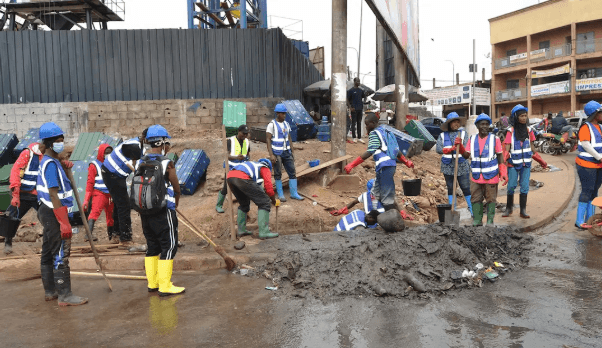
The city of Yaoundé faces persistent challenges in urban cleanliness, despite the regular efforts of the Yaoundé Urban Community (CUY) and its partners (companies, associations). These campaigns target solid waste management, the cleaning of markets (e.g., Mfoundi), the clearing of drains before the rainy season (e.g., Nkolbisson, Olezoa), and public awareness. However, rapid growth, a lack of equipment, and incivility limit their impact. This mission aims to actively engage the diaspora to provide strategic and operational support, filling the existing gaps. The goal is to transform one-off initiatives into a sustainable movement for a healthier and more resilient city.
View details →
Despite a dynamic cultural scene with events such as SUD and FESTIDOUALA, Douala struggles to establish itself as a major African cultural destination. This mission aims to structure and internationalize the city's major cultural events to make them levers of urban, economic, and image development. The goal is to transform the existing potential into events of a scale comparable to continental benchmarks, by strengthening their professionalism, funding, and international visibility, and by leveraging the strategic role of the diaspora.
View details →
In Yaoundé, the capital of Cameroon, the Urban Energy Transition Project aims to modernize energy management and public lighting. This program is associated with the FASEP initiatives (Fund for Studies and Aid to the Private Sector). It takes place in a context of frequent power cuts and heavy dependence on diesel generators. The pilot project is based on a smart microgrid installed around the City Hall. It combines photovoltaic solar energy, battery storage, and smart LED public lighting. Remote-management systems make it possible to control energy consumption in real time. The first results show a strong reduction in consumption and CO₂ emissions. The project is currently in the consolidation phase and preparation for urban replication.
View details →
A structuring initiative aimed at providing Yaoundé with a multifunctional Olympic aquatic center in Efoulan (Yaoundé III). The project will transform a difficult natural site into a modern facility with competition pools, training areas, leisure spaces, and sports equipment, thereby generating an urban hub of appeal, jobs, and socio-economic activities.
View details →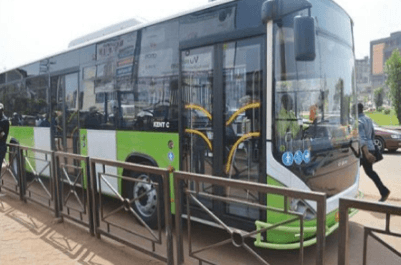
In Yaoundé, urban mobility is a major challenge due to population growth and urban sprawl. The city faces increasing congestion and a transport system that is still largely informal. Setting up a structured transport system draws on initiatives such as the Douala Urban Mobility Project (PMUD). The goal is to develop modern solutions such as Bus Rapid Transit (BRT). The project includes modernizing road infrastructure and organizing transport networks. Professionalizing the sector's stakeholders is also a central pillar. Urban restructuring around transport corridors is envisaged to optimize travel.
View details →Local authority
Hyppodrome, Yaoundé
Franck Bryan ONANA TSOGO
Cadre Informaticien
No document available